3D Clematis Flower Card: A Creative and Versatile Greeting Card Design
The 3D Clematis Flower Card has become a popular choice among card makers, hobbyists, and professionals who value both aesthetics and functionality in their greeting cards. This unique design combines the elegance of a papercut clematis flower with an easy-to-use SVG cut file that allows for precise and repeatable results. Whether you're creating birthday cards, thank-you notes, or seasonal greetings, the 3D effect adds a dynamic visual appeal that stands out from traditional flat designs.
Understanding the 3D Clematis Flower Card Design
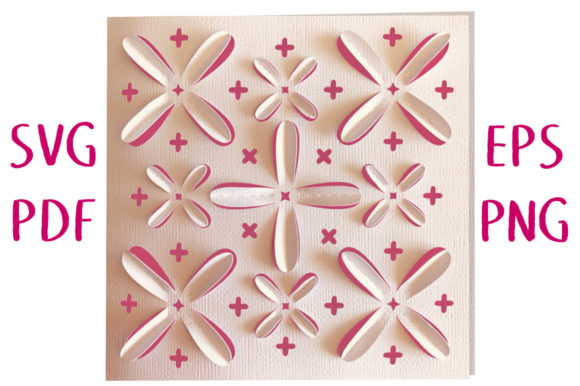
At its core, the 3D Clematis Flower Card is based on the natural beauty of the clematis plant, known for its delicate, layered petals and vibrant colors. The SVG cutting template replicates this floral structure in paper form, using intricate lines and shapes to produce a lifelike representation. The key feature of this design is the ability to transform it into a three-dimensional form by folding specific parts of the petal along pre-marked dotted lines. This technique not only enhances the visual impact but also makes the card more interactive and engaging for the recipient.
The original size of the card is designed to be cut from 8.5x11” card stock, making it ideal for standard-sized projects. However, the final assembled card measures 5x5”, which is compact and suitable for various mailing needs. The design includes an optional liner that can be used to add color contrast or texture, further personalizing the look of each card.
Technical Aspects and File Formats
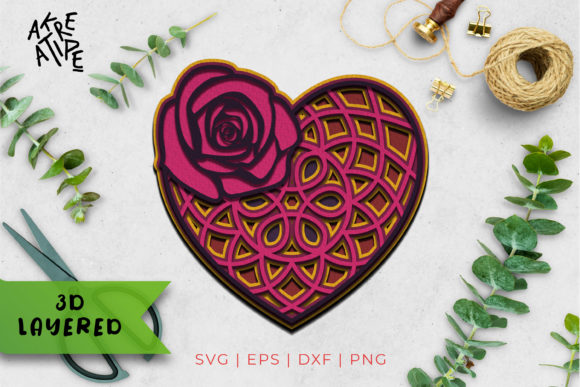
To ensure compatibility with a wide range of crafting tools, the 3D Clematis Flower Greetings Card comes in multiple digital formats. These include:
- SVG (Scalable Vector Graphics): Ideal for use with most modern cutting machines such as Cricut and Silhouette.
- EPS (Encapsulated PostScript): A versatile format for professional designers working with Adobe Illustrator or similar software.
- PDF (Portable Document Format): Great for printing directly or tracing manually if preferred.
- PNG (Portable Network Graphics): Provides a transparent background image for quick visual reference or digital editing.
These files are delivered via instant digital download in a compressed zip folder. Before purchasing, it's important to verify that your machine supports the required file types to avoid any technical issues during the cutting process. Once downloaded, users have the freedom to scale the design within reasonable limits while maintaining clarity and detail.
Use Cases and Applications
The versatility of the 3D Clematis Flower Card makes it suitable for a variety of applications across different user groups. Here are some common scenarios where this design shines:
- Hobbyists and Craft Enthusiasts: For those who enjoy DIY card making, the 3D Clematis Flower offers a fun and challenging project that yields impressive results. It’s perfect for weekend crafting sessions or adding flair to handmade gifts.
- Educators and Students: Teachers can use this design in art classes to demonstrate papercutting techniques, spatial awareness, and how to translate 2D patterns into 3D forms. Students benefit from learning about design principles through hands-on experience.
- Professionals and Business Owners: Event planners, boutique owners, and wedding coordinators can incorporate these cards into custom invitations or thank-you favors. The professional finish elevates the perceived value of the product, making it ideal for branding purposes.
- Researchers and Designers: As a case study in vector-based design and 3D papercrafting, the Clematis Flower provides insight into how digital templates can be adapted for tactile, real-world outputs. Researchers may explore the psychological impact of 3D elements in communication and gifting contexts.
Workflow and Implementation Tips
Cutting and assembling the 3D Clematis Flower Card requires attention to detail but follows a straightforward workflow. First, load the chosen file format into your cutting machine and select the appropriate settings for your cardstock. After cutting, gently separate the layers and fold the petals along the dotted lines to create depth and dimension.
Here are some practical tips for implementation:
- Use contrasting colored liners to make the flower pop visually. For example, pair a white clematis with a deep blue liner for a striking winter-themed card.
- Ensure the cardstock is firm enough to hold the folds without tearing, especially when forming the creases along the petals.
- Consider laminating the card or using heavier-weight paper for added durability and stiffness.
- Add handwritten messages or stamps to personalize the card further and enhance the emotional connection with the recipient.
Once assembled, the card can be displayed flat or folded slightly for a subtle 3D appearance. The finished product is not only beautiful but also a testament to the creator’s skill and attention to detail.
Advantages of Using the 3D Clematis Flower Card Template
The 3D Clematis Flower Card offers several benefits that make it a valuable addition to any craft toolkit:
- Reproducibility: With digital files, you can reproduce the same design multiple times, ensuring consistency across batches or events.
- Customization: The open design allows for modifications, such as resizing, re-coloring, or integrating additional elements like names or dates.
- Time Efficiency: Compared to hand-drawing and cutting a similar design, using an SVG file significantly reduces preparation time while still delivering high-quality results.
- Cost-Effectiveness: Digital downloads eliminate the need for physical supplies beyond cardstock and a cutting machine, making large-scale production more affordable.
- Storage and Sharing: The digital nature of the file means it can be stored indefinitely and shared easily with collaborators or clients for feedback or modification.
For educators, the Clematis Flower Card is a great teaching tool. It introduces students to vector graphics, design software, and papercutting techniques all in one project. For business owners, it serves as a customizable product that can be tailored to brand identity or event themes without requiring extensive graphic design skills.
Comparative Insights and Trends
In recent years, there has been a noticeable shift toward more personalized and interactive greeting cards. Traditional mass-produced cards often lack the uniqueness that handcrafted items offer. The 3D Clematis Flower Card aligns with this trend by providing a balance between ease of use and artistic expression.
Compared to other 3D card designs, the clematis flower stands out due to its complexity and natural appearance. While simpler designs like balloons or stars are easier to assemble, they don’t offer the same level of sophistication. The layered petals and detailed stem require a bit more precision, but the result is well worth the effort.
As trends evolve, many creators are exploring hybrid methods—combining SVG-cut flowers with other materials like fabric, metallic foil, or even photos. This opens up new possibilities for how the 3D Clematis Flower Card can be used, such as embedding it into photo albums, scrapbooks, or home décor items like wall art and greeting signboards.
Design Considerations and Best Practices
While the 3D Clematis Flower Card is highly adaptable, certain considerations should be kept in mind to maximize its effectiveness:
- Material Choice: Thicker cardstocks, such as 140 lb or higher, are recommended for better structural integrity and cleaner cuts.
- Color Coordination: Experiment with complementary color schemes for the outer layer and liner to highlight the flower’s features and suit different occasions.
- Assembly Techniques: Use bone folders or small metal tools to create sharp, clean creases. Avoid over-folding or pressing too hard, as this can cause the paper to tear.
- Storage and Transport: When shipping or storing cards, consider using rigid envelopes or protective sleeves to prevent damage during handling.
- Machine Settings: Always test the file on a small piece of paper before cutting the full design. Adjust pressure and speed settings according to your machine’s capabilities and the thickness of the material.
Another best practice is to maintain a clean workspace and organize your tools. Papercutting requires precision, so having everything ready before starting the process ensures a smoother workflow and minimizes errors.
Real-World Relevance and Impact
Beyond the crafting table, the 3D Clematis Flower Card plays a meaningful role in communication and gifting traditions. In today’s fast-paced digital world, tangible, handcrafted items carry a special weight—they convey thoughtfulness and effort in a way that electronic messages cannot.
For instance, educators might use the card in a classroom setting to teach students about the importance of craftsmanship and attention to detail. Business owners could integrate it into customer appreciation kits, enhancing their brand’s image with a memorable, artisanal touch. Even researchers studying human interaction might find value in analyzing how recipients react to 3D elements versus flat designs in terms of engagement and emotional response.
Moreover, the rise of eco-conscious crafting has made digital templates like the 3D Clematis Flower Card increasingly relevant. Since no physical packaging is involved in the purchase, it aligns with sustainability goals and reduces waste. Creators can also opt for recycled or biodegradable cardstock to further support environmentally friendly practices.
Conclusion
The 3D Clematis Flower Card represents a thoughtful blend of artistry and technology, offering something for everyone—from casual hobbyists to professional designers. Its combination of visual appeal, adaptability, and educational value makes it a standout option in the world of papercraft. By leveraging the included SVG, EPS, PDF, and PNG files, users can unlock creative potential and produce greeting cards that are not only beautiful but also deeply personal.