3D Wall Art Frame Mockup Hyper Realistic: A Practical Guide for Designers and Sellers
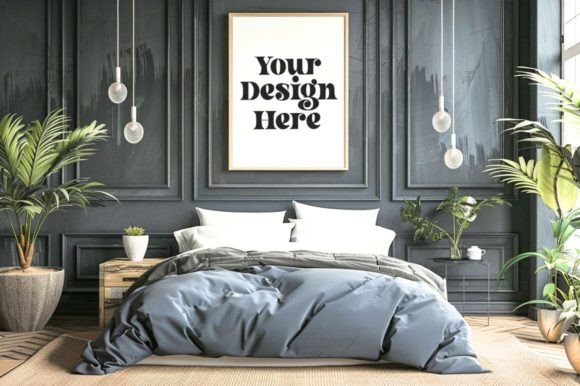
The 3D Wall Art Frame Mockup Hyper Realistic is a digital tool that enables artists, designers, and online sellers to showcase their artwork in a lifelike setting without the need for physical prototypes. These mockups are high-resolution images of wall frames placed in realistic environments—such as living rooms, galleries, or office spaces—that allow users to overlay their designs onto the frame, providing an accurate visual representation of how the final product will look when hung on a wall.
What Is a 3D Wall Art Frame Mockup?
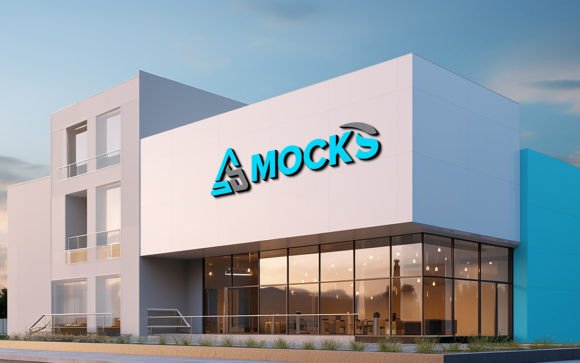
A 3D wall art frame mockup is essentially a pre-designed template that simulates the placement of framed artwork on a wall using three-dimensional rendering techniques. The term "Hyper Realistic" refers to the level of detail and realism achieved in these mockups, making them appear almost like actual photographs. Unlike basic flat mockups, 3D versions offer depth, lighting effects, and shadows, which help to create more immersive and professional-looking presentations.
Why Use 3D Wall Art Frame Mockups?
Designers and entrepreneurs often use these mockups to present their work in context. Whether you're showing your illustrations, watercolors, drawings, or other forms of art to clients or preparing visuals for an online shop, a 3D mockup can make a significant difference in how your work is perceived. It allows potential buyers to visualize the artwork in a real-world environment, helping them decide if it fits their space or style before purchasing.
Benefits of Using 3D Wall Art Frame Mockups
- High Visual Impact: The hyper-realistic nature of these mockups makes your artwork stand out, giving it a polished and professional appearance.
- Time and Cost Efficiency: No need to take photos of physical frames or arrange setups. Everything is ready to use immediately after download.
- Customization: Files come blank and logo-free, allowing you to add your own designs easily with layering tools in software like Photoshop.
- Instant Delivery: As a digital product, these mockups are delivered right after purchase, saving time compared to waiting for physical samples.
- No Physical Shipping: Since nothing is mailed, there's no concern about delivery times or costs associated with shipping tangible items.
Considerations Before Choosing This Option
While 3D Wall Art Frame Mockups offer many advantages, they may not be suitable for every project. Here are some factors to consider:
Technical Requirements
To effectively use these mockups, especially the high-res versions, you'll need graphic design software capable of handling layered PSD files. Basic photo editing tools might limit your ability to customize the mockups fully. If you lack access to such tools, you might find this option less convenient.
Authenticity vs. Simulated Reality
Though highly detailed, 3D mockups are still simulations. They cannot perfectly replicate the texture, size, or lighting conditions of a real room. For projects requiring absolute accuracy, such as architectural renderings or interior design proposals, traditional photography or augmented reality (AR) tools may be better alternatives.
Intended Use
If you're selling wall art online, a 3D mockup can enhance your product listings by giving customers a clear idea of the final look. However, if your audience prefers tactile experiences or expects to see the item in person, digital mockups may not replace the value of physical displays or in-person consultations.
When to Choose 3D Wall Art Frame Mockups
These mockups are particularly useful in the following scenarios:
- E-Commerce Product Displays: When building an online store, using 3D mockups can help you create visually appealing product images quickly and affordably.
- Client Presentations: Artists and illustrators can use these mockups to show clients how their work will appear once framed, without needing to print or frame it first.
- Portfolio Building: Adding a few hyper-realistic mockups to your portfolio can give your work a more finished and professional look.
- Bulk Marketing Material Creation: If you need to produce multiple images for social media, ads, or website banners, these mockups streamline the process significantly.
Alternatives to Consider
There are situations where alternatives might serve you better:
- Photorealistic Photography: If you have access to a good camera and lighting setup, photographing actual framed pieces in a real setting can provide unparalleled authenticity.
- Augmented Reality Tools: AR apps allow customers to place virtual art on their walls through their smartphones, offering an interactive experience that static mockups cannot match.
- Traditional Print Mockups: Some businesses prefer printed mockups for tactile presentations or when working with clients who are not tech-savvy.
- Hand-Drawn or Sketch-Based Mockups: For creative concepts or early-stage ideas, simpler mockups may be sufficient and easier to modify.
Practical Tips for Getting the Most Out of 3D Wall Art Frame Mockups
To ensure the best results when using 3D Wall Art Frame Mockups, keep the following insights in mind:
- Use Layered Files: Opt for mockups that include smart object layers. This allows you to insert your design seamlessly without altering the structure of the mockup.
- Maintain Consistency: If you're using multiple mockups for different artworks, choose ones from the same collection to maintain a cohesive visual style across your site or presentation.
- Optimize Image Quality: Always start with high-resolution artwork to preserve clarity when overlaid on the mockup. Blurry source images will result in lower-quality outputs.
- Test Different Angles and Lighting: Many mockups include variations in angles and lighting. Experiment with these to find the most appealing composition for your design.
- Understand Your Audience: Tailor your choice of mockup based on whether your audience prefers digital, interactive, or physical representations of products.
Expectations and Limitations
It’s important to set realistic expectations when using 3D Wall Art Frame Mockups. While they are excellent for showcasing designs in a realistic context, they are not substitutes for actual product testing. Users should understand that:
- Colors may appear slightly different due to screen calibration or lighting effects within the mockup.
- Physical textures like wood grain or metal finishes cannot be felt in digital form.
- Mockups are limited to the environments provided; you can't create entirely new settings without advanced editing skills.
Who Should Use 3D Wall Art Frame Mockups?
This type of mockup is ideal for individuals and businesses in the following fields:
- Artists and Illustrators: Those looking to present their work professionally in client meetings or online portfolios.
- Graphic Designers: Professionals who want to demonstrate how a piece would fit into a home or office décor.
- Online Retailers: E-commerce platforms selling wall art or custom frames that benefit from high-quality, consistent imagery.
- Marketing Agencies: Teams creating promotional materials for art-related campaigns or events.
Final Thoughts
The 3D Wall Art Frame Mockup Hyper Realistic is a powerful digital asset that can elevate the presentation of your artwork. Its ease of use, customization options, and instant availability make it a compelling choice for creators and sellers alike. However, its effectiveness depends on your specific goals, the technical resources at your disposal, and the preferences of your target audience.
Before investing in a mockup package, evaluate whether it aligns with your workflow and marketing strategy. If you're aiming for quick, professional, and cost-effective visuals for your digital shop or client proposals, then a 3D Wall Art Frame Mockup could be exactly what you need. But if your project demands a higher degree of realism or physical interaction, it may be worth exploring alternative methods.
Ultimately, the key is to use the right tool for the job. By understanding the strengths and limitations of 3D Wall Art Frame Mockups, you can make an informed decision that supports your creative vision and business objectives.