American Football Player 3D Shadow Box: A Strategic Creative Tool for Impactful Projects
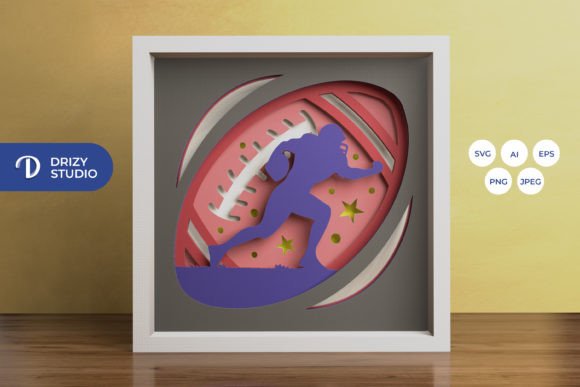
The American Football Player 3D Shadow Box is more than just a decorative paper-cutting template—it’s a layered design that captures the dynamic essence of American football in a visually striking format. With its intricate details and dimensional layout, this template allows creators to craft stunning wall art or lightbox displays that celebrate the sport in a unique way. Whether you're an entrepreneur looking to enhance your brand's visual identity or a hobbyist aiming to create something meaningful, the strategic use of this template can yield powerful results.
Strategic Value in Visual Storytelling
In today’s fast-paced digital landscape, visual storytelling is a cornerstone of effective communication. The American Football Player 3D Shadow Box provides a compelling visual metaphor that resonates with audiences who appreciate sports culture, craftsmanship, and personalization. Its layered structure creates depth and dimensionality, making it ideal for environments where attention-grabbing designs matter—such as retail spaces, offices, or social media content.
For professionals in branding or marketing, integrating such a piece into campaigns can help establish emotional connections with target demographics. For instance, a local sports bar might use a custom version of this shadow box to decorate walls and reinforce their theme while attracting customers who value immersive experiences. Similarly, a fitness trainer could incorporate it into office décor to inspire clients and communicate a lifestyle centered around discipline and performance.
Planning Your Project Thoughtfully
Before diving into the creation process, it's essential to align your project with a clear objective. Ask yourself: What message am I trying to convey? Who is my intended audience? Where will the finished piece be displayed? These questions frame the thoughtful application of the American Football Player 3D Shadow Box, ensuring it serves a purpose beyond aesthetics.
- Brand Positioning: Use the design to reflect your brand’s values—strength, agility, teamwork, or perseverance. It can become part of a larger narrative within your space or content strategy.
- Customer Experience: In customer-facing environments, this shadow box can serve as a conversation starter, enhancing the ambiance and reinforcing brand personality.
- Personalized Gifts: When used as a gift, the shadow box becomes a symbol of thoughtfulness and effort, especially when tailored to someone’s favorite team or player.
Consider the context in which the design will be used. If it’s for a corporate office, the tone should be professional yet inspiring. For a fan-driven project, the emphasis may shift toward passion and nostalgia. Tailoring the execution to fit these scenarios ensures the final product feels intentional and impactful.
Choosing the Right Format for Maximum Flexibility
The American Football Player 3D Shadow Box comes in multiple formats including AI, EPS, PNG, SVG, and JPEG. Each has specific advantages depending on your tools and goals:
- SVG Format: Ideal for those using cutting machines like Silhouette or Cricut. This vector-based file allows for precise resizing while maintaining clarity and detail.
- AI/EPS/PNG: Useful for print projects or digital editing. They provide high-resolution visuals and are compatible with most design software.
- JPEG (3000 x 2000 px): Perfect for previewing the final look before assembly. It gives a realistic idea of how the layers interact and how lighting affects the overall appearance.
By selecting the appropriate format based on your workflow, you streamline the production process and reduce the risk of errors during cutting or scaling. Remember, the SVG file must be resized proportionally to preserve the integrity of the design.
Execution and Assembly: Balancing Creativity and Practicality
Creating the American Football Player 3D Shadow Box requires careful planning and attention to detail. You’ll need either a cutting machine or manual tools like an art knife and scissors, along with glue or double-sided tape for assembly. Here’s how to approach it strategically:
- Plan the Layers: Understand how each of the six layers contributes to the final composition. Some emphasize the background, others highlight facial features or gear. Organizing them in sequence ensures smooth construction.
- Choose Materials Wisely: Opt for cardstock or lightweight cardboard for durability and ease of handling. Thicker materials can add weight but also make layer alignment more challenging.
- Lighting Enhancements: To elevate the display, consider adding LED strips between the layers. This not only enhances visibility but also transforms the shadow box into a functional lightbox, increasing its versatility.
- Finishing Touches: Once assembled, apply a protective coating if it will be exposed to frequent handling or environmental factors. This preserves the quality and longevity of your work.
Manual assembly requires patience, but the result is often more rewarding. For those without advanced equipment, starting with simpler sections of the design can build confidence and improve the final outcome.
Use Cases That Deliver Long-Term Value
This template isn't limited to one-off crafts. Its potential lies in repeatable, scalable applications across various domains:
- Event Branding: Create themed decorations for game nights, sports events, or fan meetups. The 3D effect adds a professional touch to any setting.
- Office Décor: Incorporate it into workplace environments to foster motivation and camaraderie among employees who follow the sport.
- Product Packaging: Use the design as a packaging insert or label for sports-related merchandise. It can differentiate your product from competitors in both form and function.
- Learning Tools: Educators can use the shadow box as a hands-on learning activity to teach geometry, spatial reasoning, or even history of American football.
For example, a boutique selling custom sports memorabilia might offer personalized versions of this shadow box as a signature item. By doing so, they tap into the growing market for bespoke gifts and home décor, turning a simple craft into a revenue stream.
When to Avoid Random Use
While the American Football Player 3D Shadow Box is versatile, using it without a clear goal can lead to wasted resources and lackluster outcomes. Risks include:
- Misalignment with Brand Identity: If the design doesn’t reflect your core message or aesthetic, it may confuse or distract your audience.
- Low Engagement Potential: Without a strategic hook—like a story behind the design or a call-to-action—it may fail to capture interest.
- High Production Effort with Low ROI: Complex assembly without proper planning can consume time and materials without delivering proportional value.
To avoid these pitfalls, always start with a defined purpose. Is it meant to drive sales, build community, or simply express appreciation for the sport? Clarifying this early helps you allocate resources efficiently and measure success effectively.
Decision-Making Guidance for Creators
Creators and entrepreneurs should evaluate whether the American Football Player 3D Shadow Box fits their current needs. Here are some guiding principles:
- Assess Skill Level: While the template is user-friendly, some steps require precision. Beginners might want to practice with simpler templates first.
- Evaluate Time Investment: Consider how much time you can realistically dedicate to the project. Efficient planning and tool selection are key to minimizing delays.
- Test Before Scaling: Make a small-scale prototype to test lighting effects, color variations, and structural stability. This helps refine the design before mass production.
If you’re targeting a niche audience, such as college football fans or collectors, customizing the design with specific team colors or logos can increase relevance and appeal. Always aim for customization that aligns with your audience’s preferences and expectations.
Long-Term Results Through Intentional Design
Design decisions should never be made in isolation. The American Football Player 3D Shadow Box is best leveraged when it complements a broader creative or business strategy. Over time, consistent use of this type of design can help:
- Build a recognizable style or signature look in your portfolio or store.
- Enhance customer loyalty by offering unique, handcrafted items.
- Support educational initiatives through interactive learning experiences.
- Improve productivity by organizing repetitive tasks into streamlined workflows.
One practical tip is to document your process. Keeping notes on what works—whether it’s material choices, lighting setups, or assembly techniques—can turn a single project into a repeatable system. This documentation becomes a valuable asset for future iterations or training new team members.
Final Thoughts on Purpose-Driven Creation
The American Football Player 3D Shadow Box offers a rare blend of artistic expression and strategic utility. When approached with intention, it can support long-term creative and business objectives. However, its true potential is unlocked only when it's integrated into a well-defined plan.
As with any creative endeavor, the value lies not just in the final product but in the process itself. By understanding your goals, planning ahead, and executing with care, you ensure that this design does more than sit on a shelf—it tells a story, sparks engagement, and delivers lasting impact.